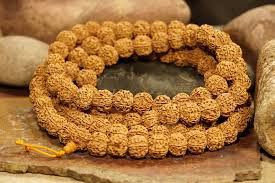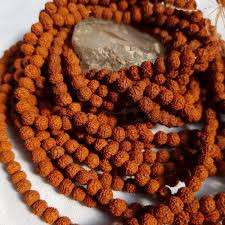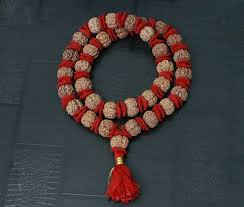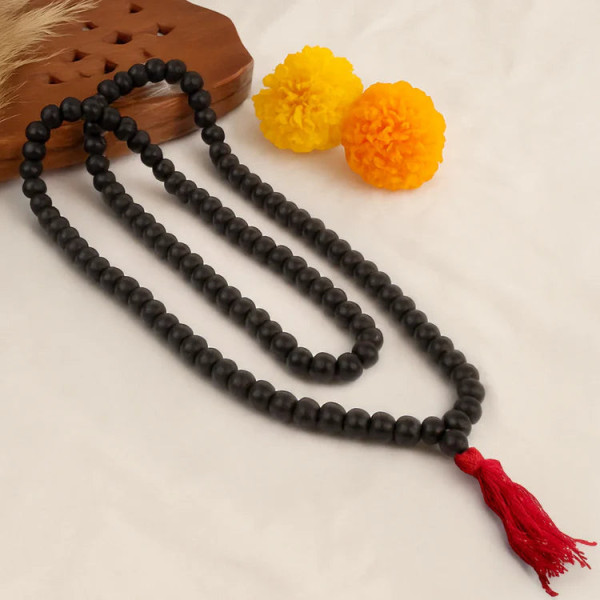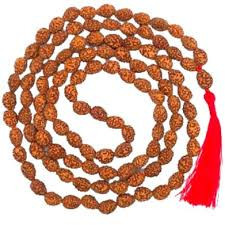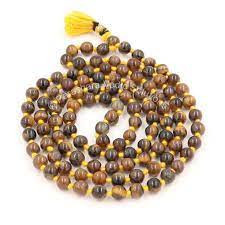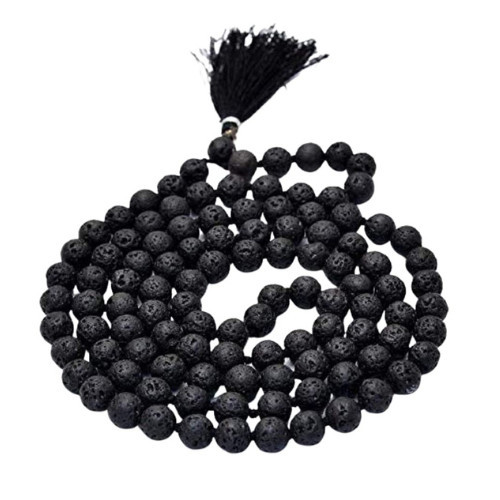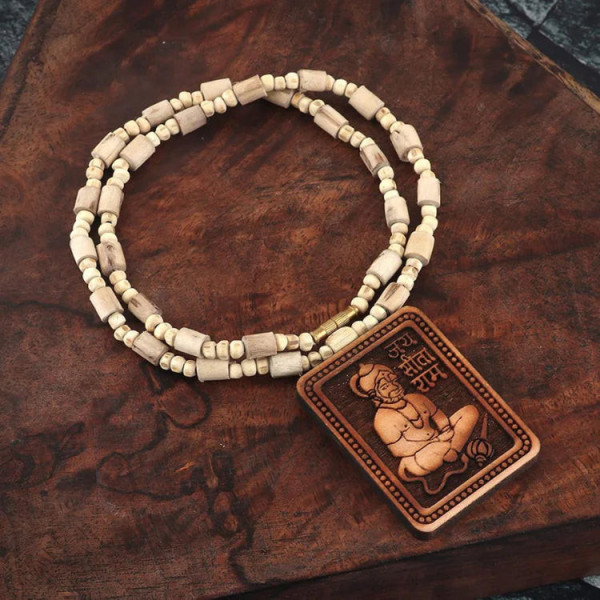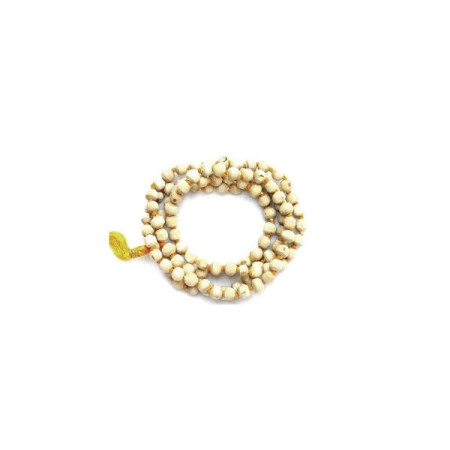
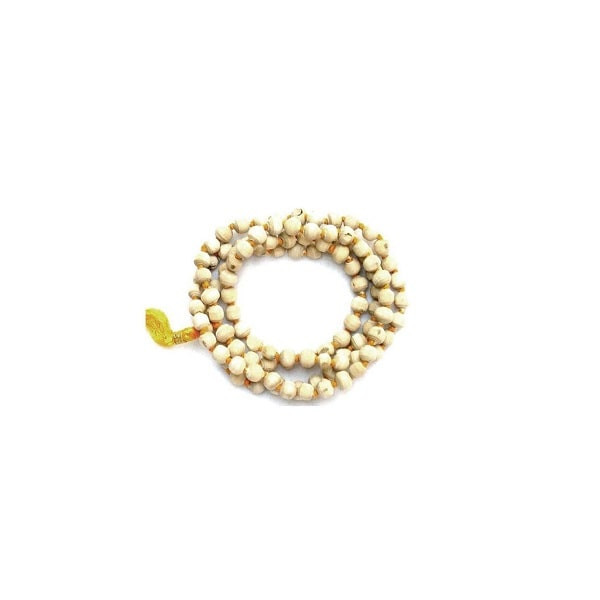
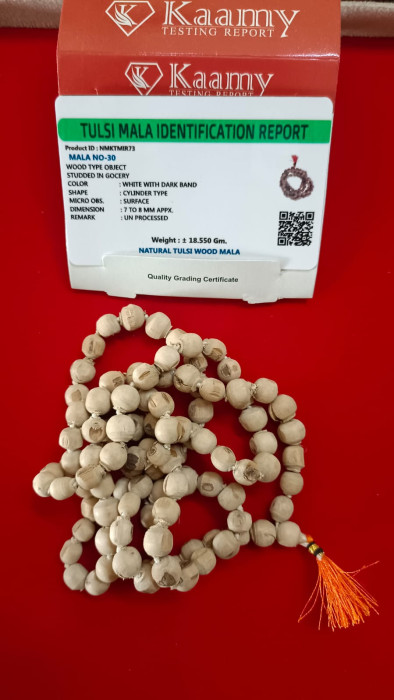
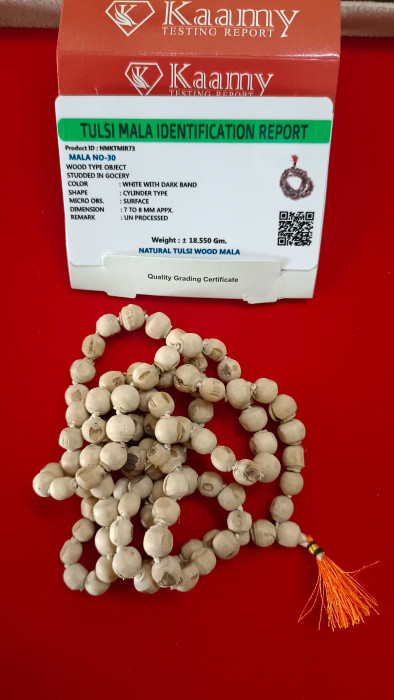

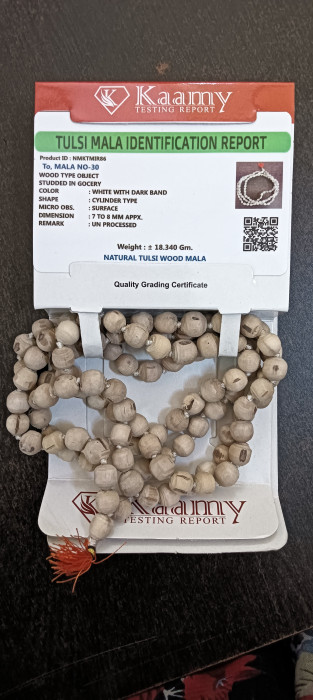
A sacred Tulsi Japa Mala for purity, devotion, and peace of mind. Ideal for daily chanting, meditation, and spiritual growth. Lightweight, natural, and perfect for bhakti practices.
In Hinduism, the Tulsi plant (holy basil) is revered as an incarnation of Goddess Lakshmi, the Hindu deity of wealth, fortune, and prosperity. The plant is considered sacred and has a deep connection with Lord Vishnu, one of the principal deities in Hinduism. Therefore, the Tulsi mala is particularly associated with devotion to Lord Vishnu and is used in the worship and meditation practices dedicated to him.
Lord Vishnu is often depicted holding a Tulsi leaf or wearing a Tulsi garland, signifying the plant's importance in Hindu mythology. The Tulsi plant is believed to be dear to Lord Vishnu, and it's said that the fragrance of Tulsi leaves pleases him. Hence, using a Tulsi mala in prayers, meditation, or chanting is considered auspicious and is believed to evoke the blessings of Lord Vishnu.
However, while the Tulsi mala is primarily associated with Lord Vishnu, it's important to note that individuals may use it in their spiritual practices according to their beliefs and the deity they personally worship. The mala can be used for chanting mantras related to various deities in Hinduism, not limited solely to Lord Vishnu. Ultimately, the Tulsi mala's significance is deeply rooted in Hindu spirituality and its association with reverence for Lord Vishnu and Goddess Lakshmi.
The importance of Tulsi Mala is very important because people of Vaishnava sect meditate on Lord Vishnu only with Tulsi garland. Tulsi Mala is also worn so that the body can be purified. Tulsi has been given a place in the category of very sacred plants in Hindu society.
In Hindu mythological scriptures, Tulsi garland is considered to be the purest. Let us tell you that Tulsi has spiritual as well as medicinal properties. The use of basil helps to get rid of diseases like night blindness, kidney related problems, migraine and sinus.
If Tulsi is not included in the worship of Lord Vishnu, then that worship is considered incomplete. Also, it is very important to have Tulsi in every offering. There are also many wonderful benefits of Tulsi, after knowing which no person can live without using this garland.
Features of a Tulsi Jaap Mala:
Tulsi Beads: The mala is typically made with 108 beads, though some may have a different count. These beads are made from the wood or stems of the Tulsi plant. The number 108 holds spiritual significance in many traditions.
Sacred Symbolism: Each bead is considered sacred and represents a particular deity or aspect of divinity. Chanting or repeating mantras while moving through the beads helps the practitioner focus and concentrate during meditation.
Spiritual Practice: The Tulsi Jaap Mala is used during japa meditation, where practitioners repeat a chosen mantra or prayer a specific number of times, often 108 or multiples thereof. The act of chanting with the mala is believed to deepen spiritual connections and facilitate a meditative state.
Purity and Spiritual Benefits: Tulsi is considered purifying and spiritually elevating in Hinduism. Using a Tulsi Jaap Mala is believed to enhance the meditative experience, promote clarity of mind, and deepen one's connection with the divine.
Cultural and Ritualistic Importance: This mala is an integral part of many Hindu rituals, ceremonies, and spiritual practices. It's not only used for personal meditation but also in temple rituals and ceremonies.
Let’s know tulsi mala japa rules:
1. There should be at least 27 or 108 beads in the garland.
2. A knot must be attached after each bead in the Tulsi garland.
3. Never wear the rosary of chanting.
4. Never use another person’s rosary.
5. For chanting, cover the garland with a cloth.
Tulsi Mala Mantra ”ॐ विष्णवै नमः”
To identify the real Tulsi Mala, keep it in water for about 30 minutes. If that garland does not leave its colour, then that garland is real.
Those wearing Lasi garland should remain sattvik. Consumption of tamasic food like onion, garlic, meat, alcohol etc. is prohibited. It should not be separated from the body.
When to wear Tulsi garland? Or when to wear Tulsi garland?
Decide to wear Tulsi garland only when you have resolved yourself to be sattvik and disciplined. Wearing a Tulsi garland without it can make your God angry.
There are two types of Tulsi garlands – Rama Tulsi and Shyama Tulsi. Monday, Wednesday and Thursday are considered auspicious days to wear both Tulsi garlands.
Tulsi garland protects us from various evil forces and diseases. Along with purifying the body, it also works to purify the soul.
First of all, get this energized Tulsi Mala. Touch it with clean hands and wear it any day. If you do not want to wear it, then keeping it in the temple will also be beneficial.
12 reviews

Great product and great seller!
recommend to all purchase tulsi mala from harekrishnamart
Tulsi Jaap mala Real and original certified with lab tested I can't believe it this is real beads in cheap rates thanks hare krishna mart
Excellent product! Very good quality and I'm happy with the product
Nice and comfortable and good looking
High quality Tulsi with fair price.
Beautiful quality and very fast shipping! Very happy with this seller. Totally Recommend.